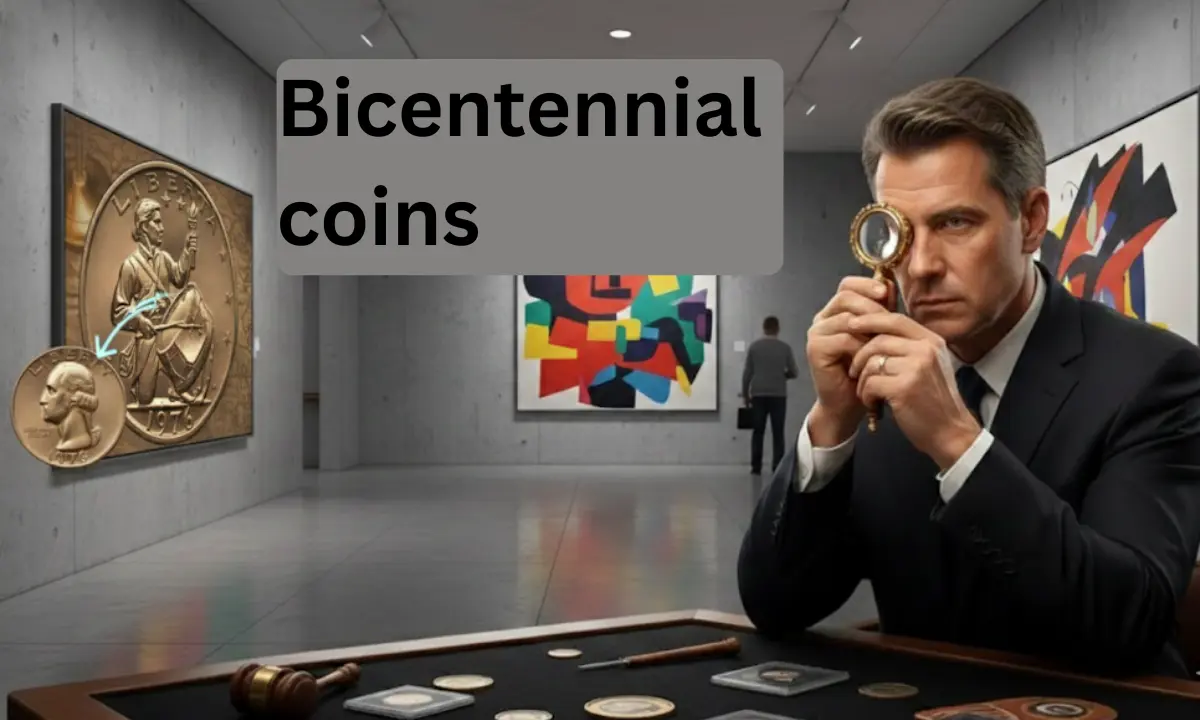
Bicentennial Quarter The year 1976 marked a major moment in American history, celebrating 200 years since the nation’s independence. To honor this milestone, the United States Mint released special Bicentennial coins, including a redesigned quarter featuring a colonial drummer on the reverse and the dual date 1776–1976. These quarters were widely circulated, and most people still encounter them today. While many remain ordinary in value, certain Bicentennial quarters stand out due to rare materials, special finishes, or minting mistakes that can make them worth hundreds or even thousands of dollars.
Why Bicentennial Quarters Continue to Interest Collectors
Bicentennial quarters hold a unique place in U.S. coin history because they were the first circulating coins designed to commemorate a national event rather than a historical figure. The colonial drummer design symbolized the spirit of the American Revolution, making the coin meaningful beyond its face value. This combination of history and design keeps collectors interested decades later.While millions were minted, the presence of limited-edition versions and rare errors keeps excitement alive. Collectors enjoy searching through circulation, hoping to find a standout example hidden among common coins.
Overview of Bicentennial Quarter Types and Values
The value of a Bicentennial quarter depends on its type and condition. Some were produced for everyday use, while others were created specifically for collectors. Below is a detailed table outlining the main varieties and their potential worth.
| Bicentennial Quarter Type | Key Feature | Rarity Level | Estimated Value Range |
|---|---|---|---|
| Clad Circulation Quarter | Copper-nickel composition | Very common | Face value to small premium |
| Silver Bicentennial Quarter | 40% silver content | Limited | Hundreds to thousands |
| Proof Bicentennial Quarter | Mirror-like finish | Scarce | Hundreds to thousands |
| Error Bicentennial Quarter | Minting mistakes | Rare | Thousands or more |
| High-Grade Condition Coin | MS-67 or higher | Very rare | Significant premium |
Silver Bicentennial Quarters and Their Appeal
One of the most valuable types is the silver Bicentennial quarter. These coins contain 40 percent silver and were not intended for everyday circulation. Instead, they were sold in special collector sets. Because of their limited availability and precious metal content, silver versions are far more valuable than standard clad quarters.Collectors especially prize silver Bicentennial quarters that remain in excellent condition. Coins that have been professionally graded and show minimal wear can command impressive prices at auctions.
Proof Bicentennial Quarters and Collector Demand
Proof Bicentennial quarters were made using polished dies and specially prepared blanks, resulting in sharp details and reflective surfaces. These coins were also produced primarily for collectors rather than circulation. Both clad and silver proof versions exist, with silver proofs being more desirable.Collectors appreciate proof coins because of their visual quality and historical relevance. When preserved well and graded highly, proof Bicentennial quarters can sell for substantial amounts.
Mint Errors That Increase Value
Mint errors add another layer of interest to Bicentennial quarters. Errors such as doubled dies, off-center strikes, missing elements, or wrong metal compositions are rare because most mistakes are caught during production. When error coins do reach circulation, they become highly sought after.Because each error is unique, values can vary widely. Authenticated error Bicentennial quarters often sell for thousands of dollars, especially when the error is dramatic and the coin is well preserved.
Unexpected Finds in Everyday Change
One reason Bicentennial quarters remain popular is the possibility of discovery. People occasionally find silver or error quarters in their pocket change without realizing their significance. Stories of such discoveries often spread online, encouraging others to check their own coins.These real-world finds keep interest alive and remind collectors that valuable coins can sometimes appear in the most ordinary places.
How Coin Condition Impacts Market Value
Condition is one of the most important factors affecting a Bicentennial quarter’s value. Coins are graded on a scale that reflects wear, surface quality, and overall appearance. A high-grade coin, such as one rated MS-67 or higher, can be worth many times more than a similar coin in average condition.Professional grading services help confirm authenticity and provide buyers with confidence, often increasing a coin’s market value.
Collecting Bicentennial Quarters Today
Modern collectors approach Bicentennial quarters in different ways. Some aim to complete full sets that include circulation strikes, silver versions, and proof coins. Others focus on finding rare errors or high-grade examples. Because these quarters are still relatively affordable at entry levels, they attract both beginners and experienced collectors.Their combination of history, availability, and potential value makes Bicentennial quarters an appealing area of numismatics.
Historical Meaning Beyond Monetary Value
Beyond price, Bicentennial quarters carry cultural importance. They reflect a moment of national celebration and unity, capturing the spirit of America’s 200th anniversary. For many people, these coins also hold sentimental value as reminders of the Bicentennial era.
Final Thoughts
The 1976 Bicentennial quarter is much more than ordinary spare change. While most examples remain common, certain silver issues, proof strikes, high-grade coins, and mint errors can be extremely valuable. Their historical significance and collector appeal ensure they will remain a popular focus in U.S. coin collecting for years to come.
