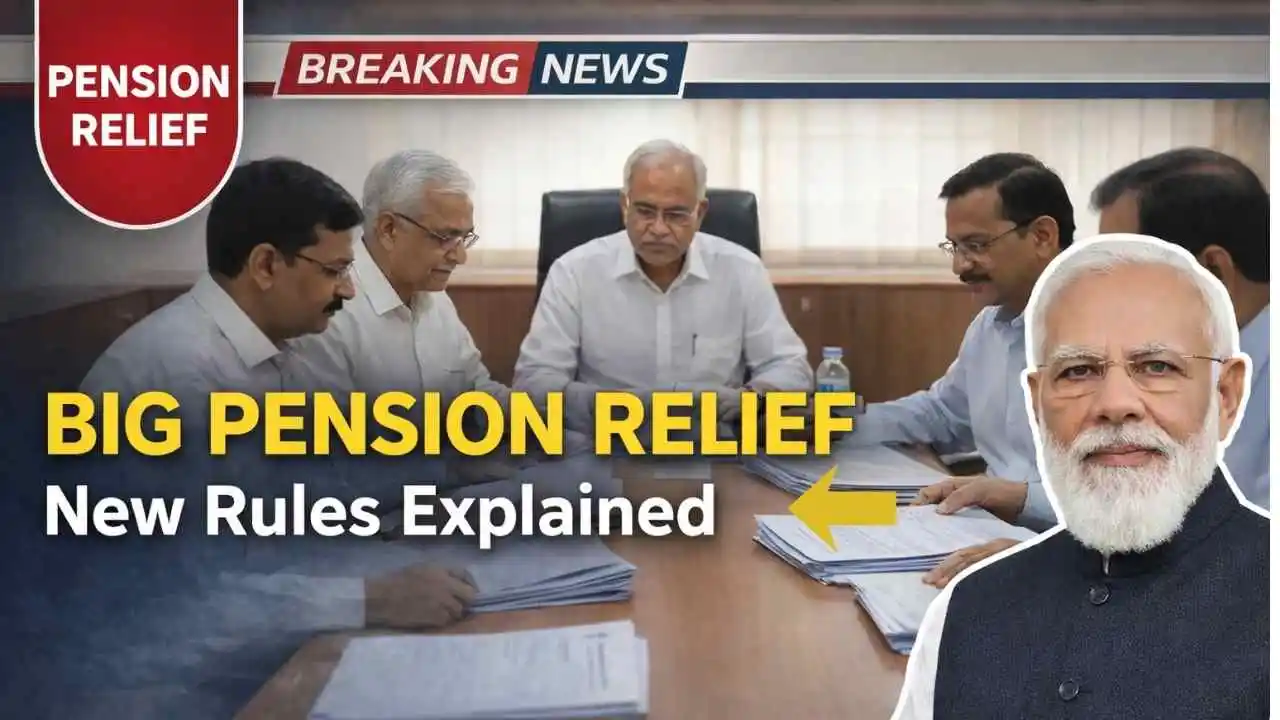
Big Pension Rule Change: India’s retirement planning system is preparing for an important shift. With changing work patterns and a growing number of people moving away from traditional salaried jobs, the government is working on pension reforms that reflect modern realities. The upcoming changes aim to create a pension system that is flexible, inclusive, and easier to understand. Instead of focusing only on full-time employees, the new approach recognizes freelancers, gig workers, and self-employed professionals as equal contributors to the economy who also deserve long-term financial security.
Adjusting the Pension System to Modern Work Life
The earlier pension model was built around stable, long-term employment with one employer. However, today’s workforce is more mobile. People change jobs often, work on contracts, or earn through multiple income sources. The proposed pension changes focus on making retirement savings portable, meaning individuals can carry their pension benefits smoothly as they move between jobs or sectors.
Another major improvement lies in transparency. Pension information is expected to become clearer and easier to understand. Instead of complex statements filled with technical language, members will receive simple updates showing contributions, estimated returns, and overall growth. Digital platforms will play a key role, allowing individuals to track their retirement savings anytime without needing expert help.
Combining Long-Term Security with Practical Flexibility
While pensions are meant for life after retirement, the new system acknowledges that financial emergencies can happen before that stage. The proposed reforms include limited and regulated options for partial withdrawals during serious situations such as medical emergencies or education expenses. This flexibility is carefully designed so that people receive support when needed without compromising their future stability.
At the same time, stronger governance standards are being introduced. Pension fund management will focus more on long-term value and member interests rather than just regulatory compliance. This approach is expected to increase trust and ensure that contributors feel confident about where and how their money is managed.
Pension Reform Overview: What Is Changing
| Feature | Current System | Proposed Reform |
|---|---|---|
| Coverage | Mainly salaried employees | Includes salaried, gig, freelance, and self-employed workers |
| Portability | Often complex during job changes | Simple and seamless across careers |
| Information Access | Technical and hard to interpret | Clear, digital, and user-friendly |
| Early Access | Very limited options | Controlled flexibility for critical needs |
| Governance | Rule-focused | Member-centric and outcome-oriented |
| Core Objective | Basic retirement income | Secure, flexible, and dignified retirement |
What This Means for Workers Across India
For employees, these reforms could make retirement planning easier and less stressful. Managing a single pension account throughout one’s career encourages consistent savings and better financial discipline. For gig workers and freelancers, the reforms signal recognition and inclusion, offering them a structured way to prepare for retirement without fixed monthly contributions.
Employers may also benefit from simplified pension contribution processes, especially in industries that rely on temporary or project-based work. Overall, a more inclusive pension system can strengthen the economy by reducing financial insecurity among future retirees.
Preparing for the Transition Ahead
The government is expected to introduce these pension reforms gradually. This phased approach allows systems to adjust smoothly while giving people time to understand the changes. Existing pensioners or those close to retirement are unlikely to be affected, as the reforms mainly focus on future contributions and long-term planning.
Individuals are encouraged to stay informed through official announcements and review their current retirement arrangements. Understanding how the new system works can help people make better financial decisions early in their careers.
Common Questions Around the Pension Changes
Many people wonder whether flexibility means free access to pension funds. The answer is no. Retirement security remains the primary goal, and early withdrawals will be strictly limited. Gig workers with irregular income may be allowed flexible contribution amounts, making participation more realistic without forcing fixed commitments.
The timeline for full implementation will depend on legal and administrative processes, but gradual rollout over the coming years is expected. Taking time now to understand personal savings and pension options can make the transition smoother.
Final Thoughts: A More Inclusive Retirement Vision
The upcoming pension reforms reflect a broader shift in how India views work and financial security. By moving away from rigid systems and embracing flexibility, the government aims to create a retirement framework that works for everyone. These changes have the potential to turn retirement planning into a more accessible, transparent, and confident journey for every working Indian.
