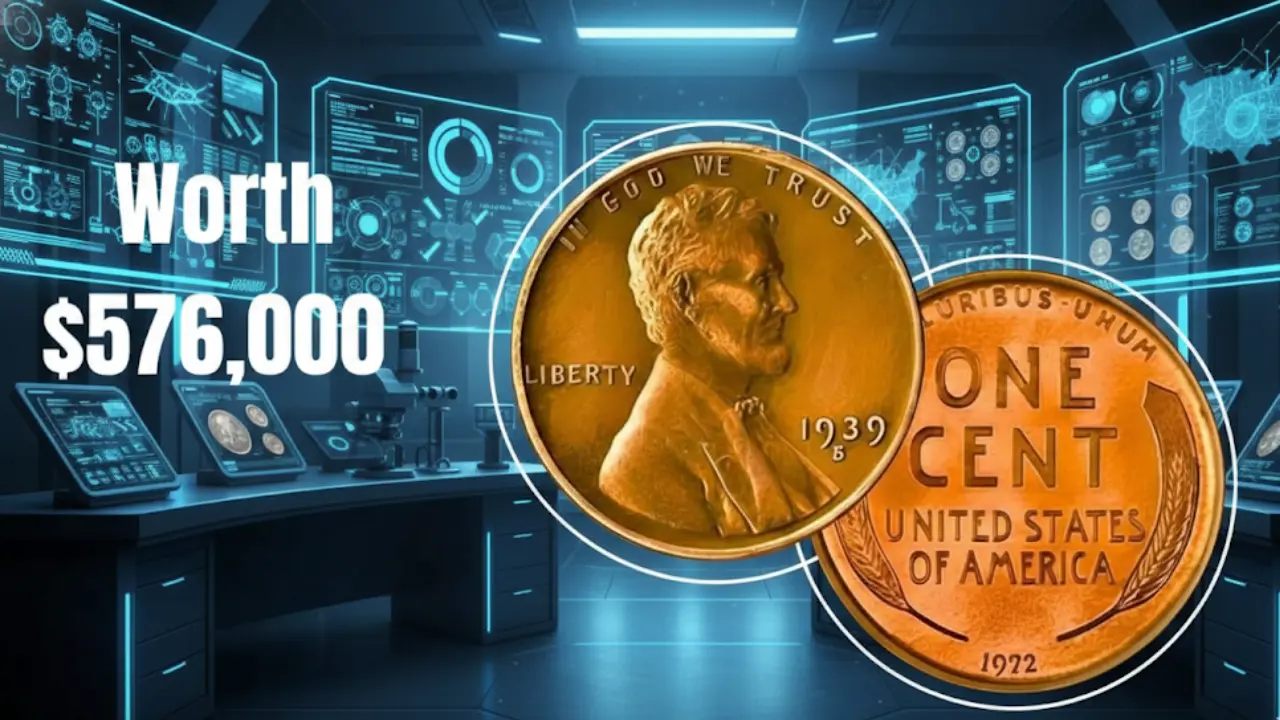
Rare Lincoln Wheat Penny The Lincoln Wheat Penny is one of the most familiar coins in American history. First released in 1909 to honor President Abraham Lincoln, it marked a major change in U.S. coin design by featuring a real historical figure. For decades, these pennies were used in everyday purchases and often ignored as spare change. While most Wheat Pennies are common and worth only a few cents, a small number of rare examples have reached astonishing prices. One of the most famous has been valued at an incredible $576,000, proving that even a one-cent coin can become a life-changing discovery.
Why Lincoln Wheat Pennies Attract Collectors
Collectors are drawn to Lincoln Wheat Pennies because they combine history, rarity, and the excitement of unexpected value. These coins were minted from 1909 to 1958, covering periods of economic change and wartime production. Some years saw very limited mintages, while others produced unusual errors that escaped quality checks. When rarity meets strong collector demand, prices can rise dramatically, especially for coins that are well preserved.
Lincoln Wheat Penny Value Guide
| Penny Type | Year | Notable Detail | Estimated Value |
|---|---|---|---|
| Copper Wheat Penny | 1943 | Copper error strike | Up to $576,000 |
| Steel Wheat Penny | 1944 | Steel planchet mistake | $10,000–$100,000 |
| No D Mint Mark | 1922 | Missing Denver mark | $5,000–$75,000 |
| Doubled Die Obverse | 1955 | Heavy doubling on text | $1,500–$50,000 |
| VDB Issue | 1909-S | Low mintage, initials | $1,000–$20,000 |
Values vary based on condition, certification, and market demand.
What Makes a Wheat Penny Extremely Valuable
The value of a Lincoln Wheat Penny depends on several key factors. Rarity is the most important, especially when a coin was produced by mistake or in very small numbers. Condition also matters greatly, with high-grade coins commanding much higher prices. Historical importance adds another layer of appeal, particularly for coins linked to wartime metal shortages or early minting decisions. When all these factors come together, even a penny can become a prized collectible.
The Famous $576,000 Wheat Penny Explained
The most valuable Lincoln Wheat Penny is the 1943 copper version. During World War II, copper was reserved for military use, so pennies were supposed to be made from steel coated with zinc. However, a few copper blanks from 1942 were accidentally left in the minting equipment and struck with the 1943 date. These rare copper pennies were never meant to exist, making them extremely scarce. When authenticated and graded in top condition, they have sold for hundreds of thousands of dollars, with one example reaching around $576,000.
The Rare 1944 Steel Wheat Penny
Another highly valuable mistake occurred the following year. In 1944, the U.S. Mint returned to using copper, but a small number of steel blanks from 1943 were accidentally reused. These 1944 steel Wheat Pennies are easy to spot because they stick to a magnet. Their unusual composition and limited numbers have made them highly collectible, often selling for tens of thousands of dollars depending on condition.
Other Lincoln Wheat Pennies Worth Big Money
Several other Wheat Pennies are famous among collectors. The 1922 No D penny lacks a mint mark even though it was produced in Denver, making it a rare error. The 1955 Doubled Die penny shows strong doubling on the date and lettering, visible without magnification. The 1909-S VDB penny is valuable due to its low mintage and the brief appearance of the designer’s initials, which were later removed. Each of these coins tells a unique story and carries strong collector demand.
How to Check Your Change for Rare Wheat Pennies
Spotting a valuable Wheat Penny starts with checking the date and mint mark. A small magnet can help identify steel pennies, while a magnifying glass can reveal doubling or missing details. Even worn coins should not be ignored, as some rare varieties circulated for years before being noticed. If a coin looks unusual, comparing it to trusted reference images is a smart next step.
Why Grading and Authentication Are Essential
Professional grading plays a major role in determining value. Certified coins are evaluated for authenticity and condition, then sealed in protective holders. Coins graded at high Mint State levels are especially desirable. Without professional certification, buyers are unlikely to pay premium prices, even for rare varieties.
Are Rare Wheat Pennies Still Being Found?
Although rare, valuable Lincoln Wheat Pennies do still appear from time to time. Old jars, inherited collections, and even bank-wrapped rolls can contain surprises. Many famous discoveries were made by ordinary people who took the time to inspect their coins carefully. This possibility keeps collectors motivated to keep searching.
The Enduring Appeal of Lincoln Wheat Pennies
Beyond their dollar value, Lincoln Wheat Pennies represent important moments in American history. From wartime shortages to early design changes, these coins reflect the story of the nation. Their combination of history, rarity, and discovery continues to attract collectors around the world.
Final Thoughts on the $576,000 Lincoln Wheat Penny
The Lincoln Wheat Penny valued at $576,000 shows that extraordinary value can exist in the most ordinary places. Rare varieties like the 1943 copper penny, 1944 steel penny, 1922 No D, 1955 doubled die, and 1909-S VDB have become legends in coin collecting. While finding one is rare, careful inspection and knowledge make it possible to recognize a true treasure when it appears.
